Affordability challenges are pushing some buyers out of the new vehicle market. Many are choosing used cars instead.
In turn, automakers are looking for ways to compete with many of the online retailers grabbing market share in the used car market and trying to bring some of those customers back into a new vehicle.
New vehicle sales tend to be more profitable for automakers, but reselling trade-ins as used vehicles is highly profitable for dealers. Used car prices are relatively strong, but newer online retailers such as Carvana and CarMax have made the market more competitive for dealers and other incumbent used car sellers.
“The internet and technology and apps on our phone have changed every aspect of retail, and probably one of the slowest areas of retail to have adopted to online and digital shopping has been the auto industry,” said Ivan Feinseth, partner, chief investment officer and director of research at Tigress Financial Partners.
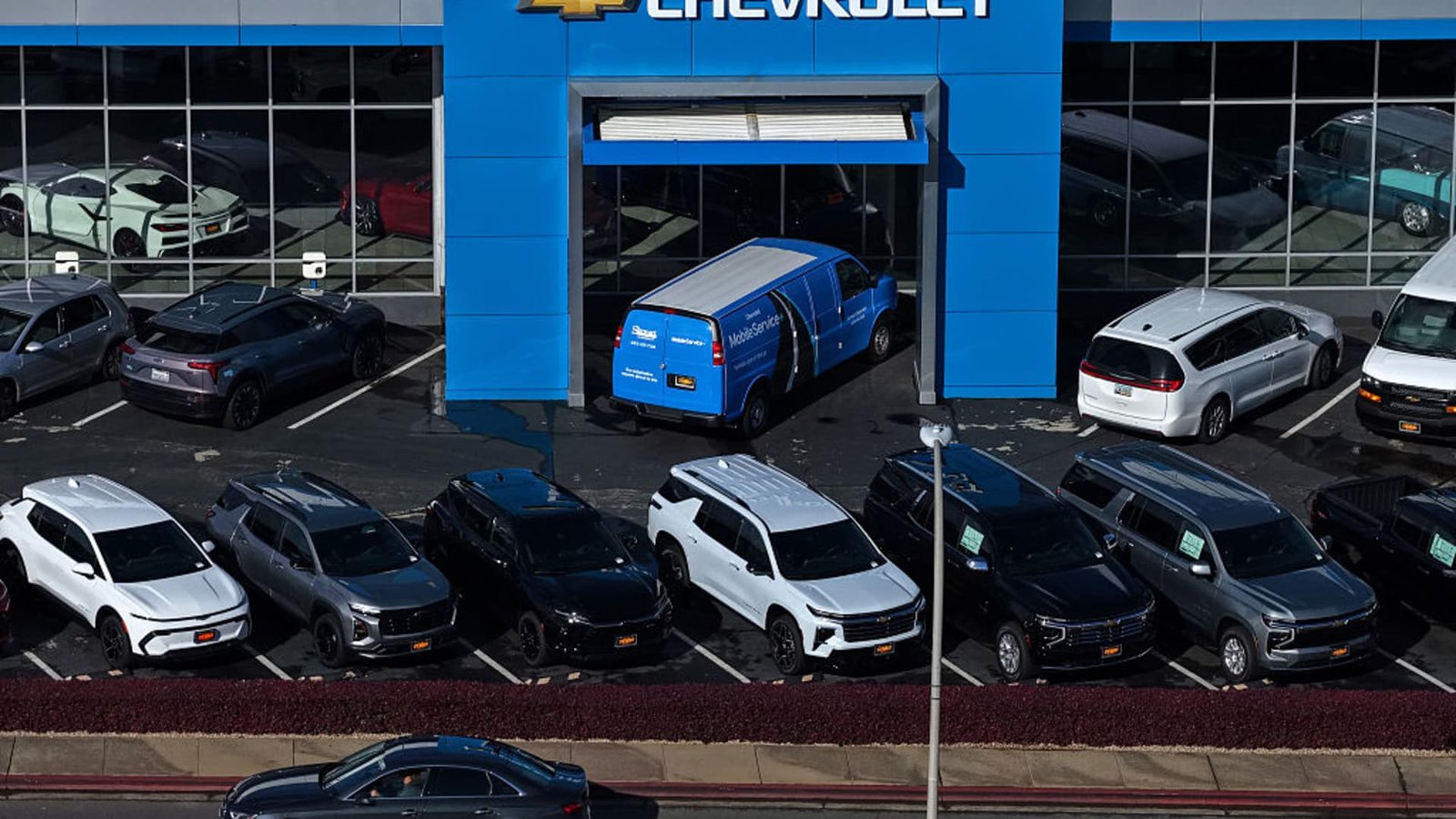
General Motors is a key example of automakers’ attempts to address this shifting market. The automaker has revamped its certified used vehicle program, which now operates under the CarBravo name. It’s essentially an online portal through which Chevrolet, Buick and GMC dealers can list their certified used vehicles and make them available to customers all over the U.S.
About 1,615 of GM’s 3,700 dealers are enrolled in the program, according to the company. The only GM brand not involved is Cadillac, which maintains its own program.
“Certified” used or “preowned” vehicles are used cars that have undergone a thorough inspection and reconditioning. They typically come with guarantees and warranties from the manufacturer.
Many automakers have certified used programs for their own cars. But GM, as part of its revamp, is using CarBravo to certify vehicles made by other automakers. A lot of those cars arrive at dealerships as trade-ins, and often dealers will sell them to wholesale auctions, said John Fitzpatrick, senior manager of the CarBravo program.
“Wholesaling doesn’t bring nearly the revenue that selling it to a new customer does,” he said.
GM has said it is planning to net about 250,000 sales in its CarBravo program in 2026. Fitzpatrick said he doesn’t expect that even half of those will end up being new car sales.
But through CarBravo, the customer gets access to GM’s dealership network for service, something Fitzpatrick says is a key differentiator between its program and growing online sellers. CarBravo vehicles come with various warranties, depending on the age and mileage on the car.
GM said the program is driving more traffic into local dealerships, where purchases are typically finalized. That creates an opportunity to convert a used car shopper into a new car buyer. So far, the automaker said about 38% of the shoppers initially looking for used cars end up buying new.
A customer who wants to buy a full-size truck can look on the website and compare used Chevrolet Silverados alongside used Ford F-150s and Ram 1500s, for example. The buyer might settle on a used truck from any of those brands, but a conversation with a dealer can push them in a different direction.
“The customer picks up the phone, but in the back of their mind, they maybe always have been a traditional, more new car customer,” Fitzpatrick said.
“You’ve shown the customer, you’re going to pay $500 [per month] for this used F-150, but you may pay $510 or $515 for this new Chevy,” he said. “And now all of a sudden the customer says, yeah, maybe I can do that because I’d rather have that new vehicle than the used truck.”
While the average transaction price of a new vehicle is about $50,000, the average 3-year-old used car costs about $30,000 as of September, according to Cox Automotive.
However, industry analysts say customers base their purchasing decisions on the cost of the monthly payment more than on the sticker price of the car.
New cars often come with longer-term loan options than used ones, Feinseth said, which can result in lower monthly payments.
“On a 1- or 2-year-old car, you may be only stuck with a 3- or 4-year loan,” he said. “On a new car, you can get a 5-year, 6-year loan.”
The share of new car loans lasting 84 months hit a new record in the third quarter, at more than 1 in 4 loans, according to Edmunds.
Meanwhile, used car prices in some affordable segments have risen, according to Cox Automotive, and about three quarters of consumers express some interest in certified cars.
But the key is building the relationship with the customer, he said. About 50% of the buyers GM has gained through the program appear to be new to the brand, meaning there is no record of them in any of the automaker’s customer databases. About 70% had never visited the dealership they ended up purchasing from.
“The goal is really to get that customer engaged with the store, give them the option of building a relationship with the dealer,” he said. “The dealer can really help the customer figure out what works for their budget.”
It’s a boon for dealers too: Customers buying warranty-backed used cars often return to the dealership for service visits — which often account for about half of a dealership’s profits. GM can also sell subscriptions to connected vehicle services, such as its OnStar, which provides safety, security and navigation services.
“That is a big part of General Motors’ business going forward, is to sell the software and subscription services like OnStar and eventually to the cars that are enabled with Super Cruise,” GM’s advanced driver-assistance system, Feinseth said.
GM isn’t the only automaker trying to use its certified preowned vehicle program to lure buyers.
Detroit rival Ford Motor also certifies vehicles made by other manufacturers through its Ford Blue Advantage program. It is on track to do 450,000 total sales in 2026, more than GM’s 250,000 target. It didn’t specify how many of those buyers end up purchasing new vehicles.
Toyota told CNBC in an email that about 40% of its used car shoppers end up buying new instead.
Honda didn’t give specifics about its program. But Lance Woelfer, American Honda’s vice president of automobile sales, said conversions happen “probably every day at dealerships throughout the country.”
“But it also is more about that first interaction with the consumer,” Woelfer said. “And there are people in any market that prefer to buy a used vehicle, but appreciate the confidence that a [certified preowned designation] can give them.”
Woelfer said those customers come back to get their vehicles serviced at a rate about 18% higher than someone who buys a non-certified used car. They also return to purchase a new car at a rate about 7% to 8% higher in the future, he said.
“It’s about that first relationship that allows us to then have that customer loyalty for life,” he added. “And that’s where our focus is. We’ve been doing it a long time, and we’ve seen a lot of benefits from the certified business.”