The basketball Rubicon has been crossed.
LSU has not only added RJ Luis to its men’s basketball roster, but actually put him in a game Wednesday night against ULM. As with Julius Caesar, pitting his army against Rome with that one action, the die is cast.
And there is no turning back.
Wednesday’s on-court action came after a flurry of in-court action this week in Louisiana, with a judge issuing a preliminary injunction on Luis’ behalf. The Southeastern Conference, which has been engaged in a running battle with LSU since this summer over football and basketball player eligibility issues, said it would abide by the decision and not penalize LSU for rostering him, though it expressed its disapproval over this “deeply concerning and disappointing development.”
Meanwhile, the SEC’s federal lawsuit in Alabama against LSU continues, with the judge in that case there admonishing LSU’s lawyers for calling the SEC’s citations in its case “hallucinated,” demanding an apology from the state. Louisiana attorney general Liz Murrill basically told the judge to take a leap.
Concurrently, we have the Georgia attorney general reportedly writing SEC commissioner Greg Sankey, telling him to severely punish LSU and reconsider kicking the school out of the league. Other reports say SEC schools are considering boycotting games against LSU if Luis plays.
LSU football coach Lane Kiffin got hammered before his season began for trying to add Dae’Quan Wright and Zxavian Harris to the Tigers’ roster after they had participated in preseason NFL camps. He didn’t, though both players got an injunction allowing them to play.
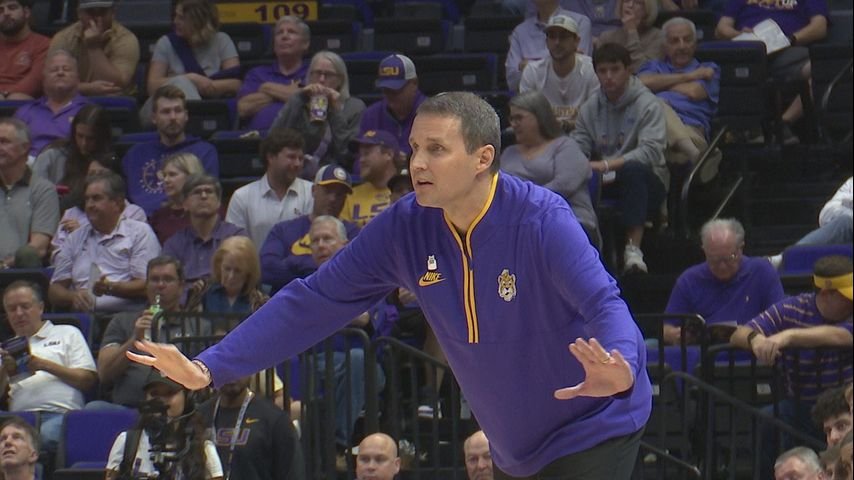
Kiffin, and we assume LSU leadership, decided it wasn’t worth it. Men’s basketball coach Will Wade, and we assume LSU leadership, decided Luis was.
What’s the difference? Wright and Harris would certainly have helped LSU’s depth. But a football team’s roster is about six times bigger than a basketball roster. From a purely competitive standpoint, Luis would have a much bigger impact.
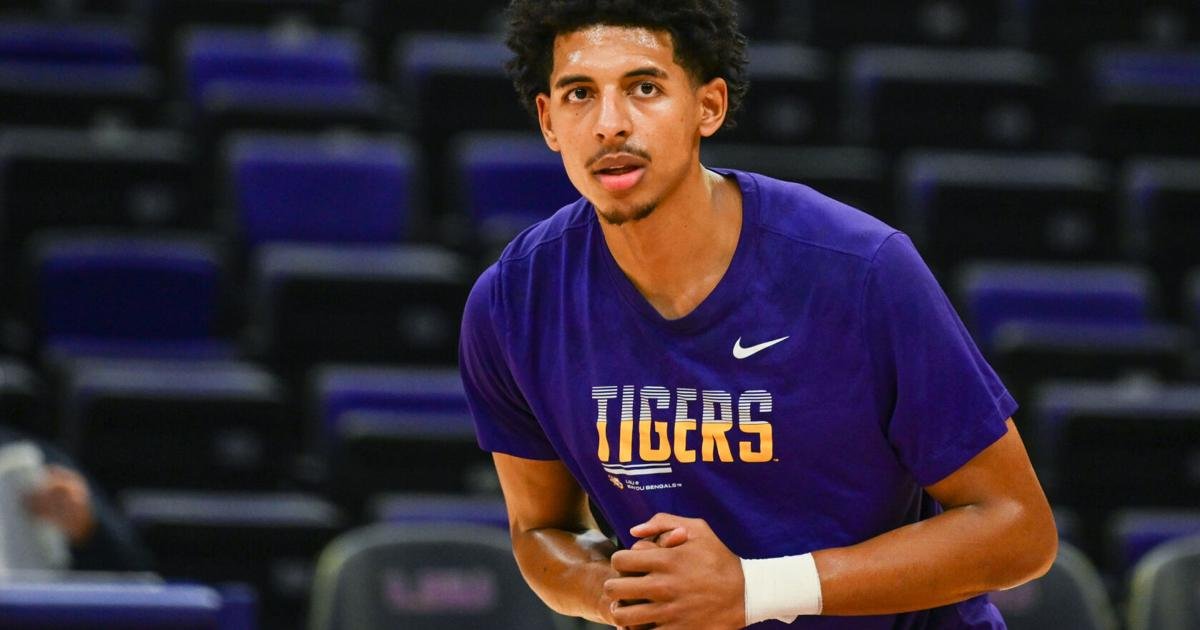
He’s a 6-foot-7 guard who can shoot outside, rebound and handle the ball. He was a second-team All-American and Big East player of the year two seasons ago at St. John’s. He’s now even more experienced and mature, turning 24 on Nov. 27.
Luis looked a bit rusty in LSU’s clunky 79-67 win over ULM: 11 points on 3-of-9 shooting, nine rebounds and a turnover. But the skill is definitely there,
With its win at nationally-ranked Gonzaga, LSU proved that it is a good team, easily capable of making the newly expanded 76-team NCAA tournament field. ESPN’s Joe Lunardi pegged the Tigers as a No. 7 seed Tuesday in his latest bracket projections.
If Luis continues playing, he could elevate LSU into being a top-15 team. He’s that good.
The questions remain: Should he be allowed to play and is it worth all the criticism and potential fallout, in terms of legality and LSU’s SEC standing, to play him? To possibly go from a second-round NCAA team to a Sweet 16 participant?
I have maintained from the start that Luis should not play. I had sympathy for Wright and Harris, who were left out of the NCAA’s new five-for-five eligibility model. Luis, however, gave up eligibility at St. John’s to turn pro early. He then signed contracts with two NBA franchises.
Luis’ attorneys assert that 13 of the SEC’s 16 teams have players who had previous professional experience, with many of those players competing under court orders. Unfortunately, college athletics and certainly college basketball is riddled with hypocrisy.
Both LSU and the SEC are being disingenuous in the Luis case. LSU said it would comply with the judge’s order and put Luis on the roster. But as Luis’ attorney Tony Clayton said, LSU could not be compelled to play him. Nor did LSU have to even recruit Luis in the first place. LSU could and should have simply said, “Hey, he’s a great player, but we just can’t go there.”
LSU and Wade didn’t do that. And now they have reaped the whirlwind.
Meanwhile, the SEC’s ulterior motive is to use LSU as a test case to assert its right to self-governance. The SEC and particularly the Big Ten seek to fill the rulemaking vacuum left by the NCAA, which has been sued so many times that now virtually anything goes. Eligibility is often left to the capricious and frequently biased decisions of courts in individual states.
For now, it appears Luis will play unless the SEC can get the judge’s order to allow him to play reversed on appeal. Wade was correct Wednesday night when he said everyone LSU played against ULM was eligible. But that can change. Just ask Alabama and Charles Bediako.
I continue to think the chance of LSU getting thrown out of the SEC or schools boycotting games is practically zero. The SEC would likely lose lots of TV revenue if LSU doesn’t play.
Still, all of this turmoil needs to end. Ultimately, it isn’t worth it for LSU nor the SEC. Instead, we continue to get inflammatory actions and language from all directions. Someone needs to get in a room and say, “Let’s work this out amicably,” but there is no willingness to do that at this point. Except, you could say, Kiffin, who is about the most vilified person in college sports.
So the sabers continue to rattle. And LSU’s reputation and its relationship with the SEC continues to suffer. The Rubicon can’t be uncrossed.
In the context of LSU’s ultimate goal, winning in March Madness, it’s worth remembering the warning whispered in Caesar’s ear: “Beware the ides of March.”
#LSU #SEC #battle #Luis #isnt #worth #escalation #LSU
Source link