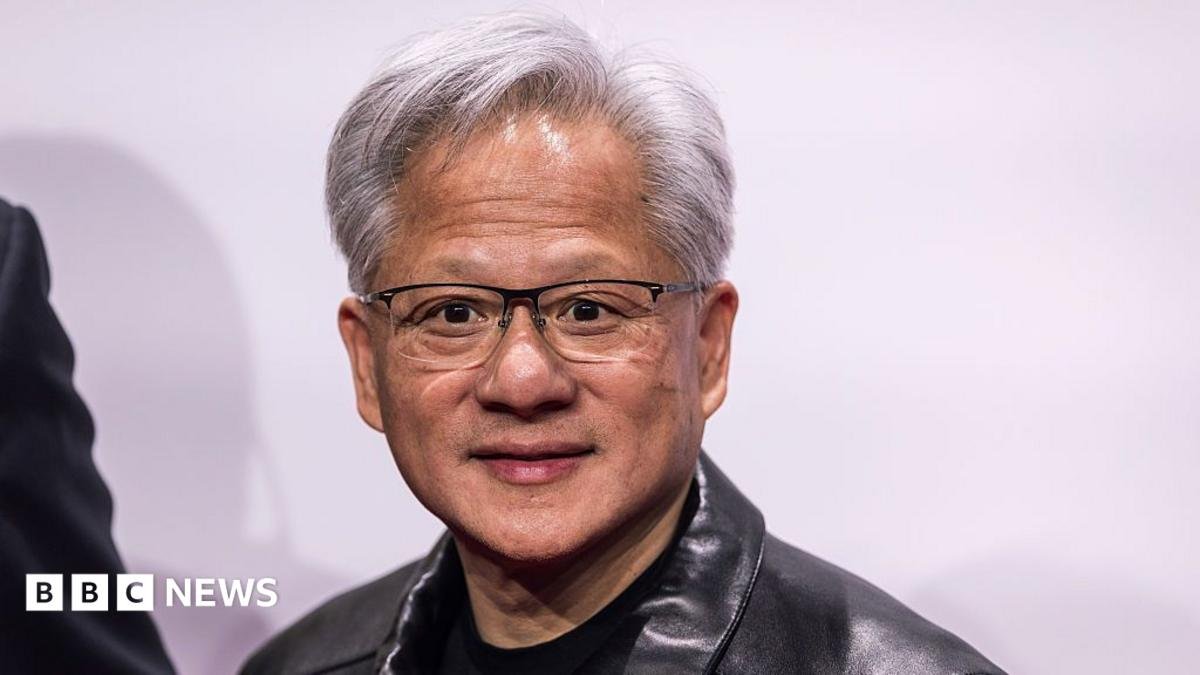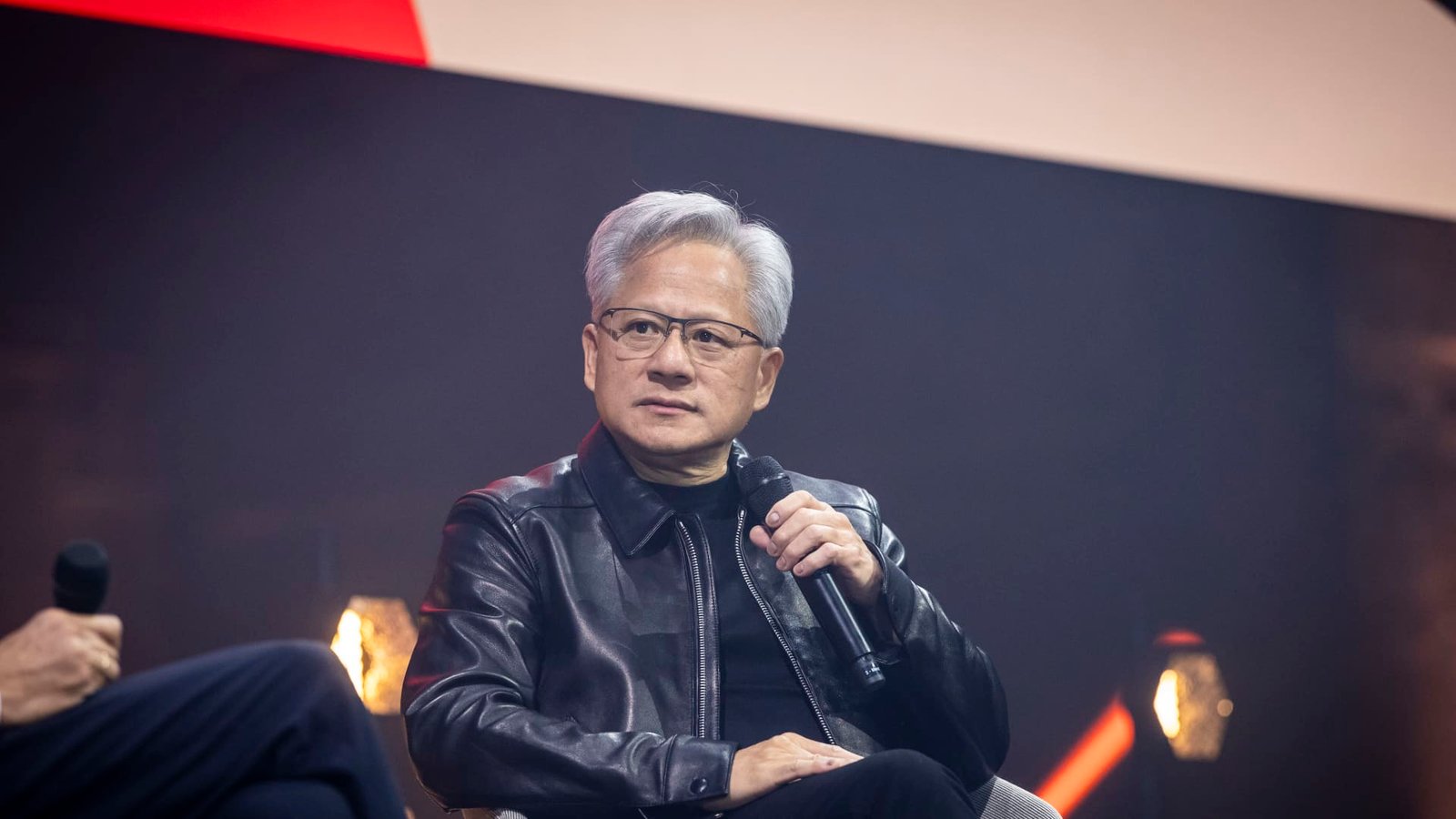
Wall Street faced a major test last week as Nvidia’s stunning leadership shake-up dominated the headlines and brought more uncertainty to the AI trade. Despite the turbulence, the S & P 500 secured a weekly gain of 2.5%, while the tech-heavy Nasdaq added 2.3%. Both indexes were up so much on Monday and Wednesday that declines on Tuesday, Thursday, and Friday were no match. In fact, both the S & P 500 and Nasdaq have made sizeable dents in the losses they suffered in the postelection market rout on Nov. 5. While Nvidia shares fell another 2% on Friday, the market ended the week under pressure for a different reason. It was the potential for multiple Federal Reserve rate hikes over the next few meetings that led to the selling. Before Friday’s open, the October producer price index turned in its highest yearly reading in nearly four years. Headline PPI, a measure of wholesale inflation, was cooler than expected month over month. However, its year-over-year increase to 6.5% was all anyone cared about, especially after Tuesday’s hot consumer inflation report . Here’s a closer look at the three things that shaped our view of last week’s market. Nvidia’s C-suite shake-up Nvidia’s leadership crisis sent shares tumbling nearly 13% for all of last week, bucking a broader rebound in semiconductor stocks. The Nvidia sell-off began Monday after reports that the chip giant’s board was investigating CEO Jensen Huang’s relationship with a woman suspected of spying for China. The scandal escalated with reports that Huang had affairs with two Nvidia employees, culminating in his resignation Thursday. Longtime CFO Colette Kress was named interim CEO, a move that Jim Cramer was pleased with. While remaining confident in Nvidia’s technology and management bench, Jim acknowledged the uncertainty surrounding its future . “A Jensen-less Nvidia is an Nvidia many will not want to own,” he said Wednesday on ” Mad Money .” We downgraded Nvidia to our hold-equivalent 2 rating Tuesday. While not looking to buy the dips, Jim said he was not abandoning the company either . Jim pointed to Apple’s success after Steve Jobs and expressed confidence in Kress to right the ship. For longtime shareholders sitting on substantial gains, Jim emphasized capital preservation, urging investors to consider taking some profits rather than risk giving them back. He said Thursday: “If you are one of those millionaires, don’t become a hundred-thousandaire.” The next test for Nvidia will come when it reports earnings on Tuesday evening. Swapping Intel for AMD We’re planning to exit our position in Intel and use the proceeds to initiate a position in rival Advanced Micro Devices once our trading restrictions allow. Jim said that Friday’s decline in AMD is a ” terrific opportunity ” to buy the stock. The move reflects our growing confidence in AMD’s ability to capitalize on booming demand for data center chips. Part of our thinking is that the turmoil at Nvidia could create opportunities for AMD to gain market share in graphics processing units (GPUs). We’re also more confident in AMD’s ability to meet growing demand for central processing units (CPUs), which are needed in data centers to run AI agents. The CPU story was one of the reasons we bought Intel earlier this year . AMD’s advantage comes partly from its more flexible chip designs, allowing it to shift resources between personal computers and server processors more easily than Intel. That flexibility is particularly important as rising memory prices weigh on PC demand. Jim started saying he wanted to exit Intel and buy AMD on Wednesday. That’s when we downgraded Intel to our sell-equivalent 3 rating and added AMD to our Bullpen watchlist. While painful, the planned swap means realizing a substantial loss on Intel. “Sometimes, you just have to admit you got it wrong,” Jim said, reiterating his admission from the Investing Club’s 4th Annual Meeting. Taking profits and diversifying We did make several trades last week to reduce our data center exposure, which allowed us to lock in gains and get bigger defensive stocks. On Monday, we trimmed our Eaton position despite its strong earnings, realizing a roughly 47% gain. The move reduces our exposure to the risk of hyperscalers scaling back spending as data center construction faces growing challenges. Eaton makes power management systems that are used to maximize energy efficiency. We also initiated a position in Constellation Brands . The maker of Modelo and Corona offers an inexpensive valuation, a nearly 3% dividend yield, and improving beer sales trends. We also see potential benefits from easing immigration policies. On Tuesday, we trimmed another 25 shares of Cardinal Health after its roughly 23% rally since the end of September, locking in a 24% gain. We remain confident in the healthcare distributor’s long-term growth prospects. On Friday, we sold some shares of TJX Companies following a downgrade from Gordon Haskett, which raised concerns about competition from Ross Stores and lingering execution issues at its Marmaxx division. With earnings coming up Wednesday morning, we wanted to protect our gains, realizing an average profit of roughly 113%. We used the proceeds to buy more shares of Constellation Brands and Kimberly-Clark . Investors are underestimating Kimberly-Clark’s ability to turn around Kenvue following its acquisition. Jim likes the combination of Kimberly-Clark’s strong consumer products portfolio, which includes Huggies and Kleenex, and the household names of Kenvue, which include Tylenol and Band-Aid. (Jim Cramer’s Charitable Trust is long NVDA, AAPL, INTC, ETN, STZ, CAH, TJX, KMB. See here for a full list of the stocks.) As a subscriber to the CNBC Investing Club with Jim Cramer, you will receive a trade alert before Jim makes a trade. Jim waits 45 minutes after sending a trade alert before buying or selling a stock in his charitable trust’s portfolio. If Jim has talked about a stock on CNBC TV, he waits 72 hours after issuing the trade alert before executing the trade. THE ABOVE INVESTING CLUB INFORMATION IS SUBJECT TO OUR TERMS AND CONDITIONS AND PRIVACY POLICY , TOGETHER WITH OUR DISCLAIMER . NO FIDUCIARY OBLIGATION OR DUTY EXISTS, OR IS CREATED, BY VIRTUE OF YOUR RECEIPT OF ANY INFORMATION PROVIDED IN CONNECTION WITH THE INVESTING CLUB. NO SPECIFIC OUTCOME OR PROFIT IS GUARANTEED.
#Nvidias #leadership #crisis #rattles #Wall #Street #adjusting
Source link